
Introduction
The Precious Gold Group, often referred to simply as the gold market, plays a pivotal role in the global economy. Gold has been a symbol of wealth and power for centuries, and its significance transcends mere financial investment. This report delves into the characteristics, market dynamics, historical context, and future outlook of the gold group, providing a comprehensive understanding of its importance in the contemporary financial landscape.
Historical Context of Gold
Gold’s history dates back to ancient civilizations, where it was used for trade, currency, and ornamentation. The Egyptians, for instance, valued gold highly, using it in tombs and artifacts to signify status and divinity. The establishment of the gold standard in the 19th century further solidified gold’s role as a monetary base, linking the value of currency to a specific amount of gold. This system persisted until the mid-20th century, when it was largely abandoned in favor of fiat currencies.
Characteristics of Gold
Gold possesses unique characteristics that contribute to its value and desirability:
- Scarcity: Gold is a finite resource, with an estimated 197,576 metric tons mined throughout history. The difficulty of extraction and limited sources make it a scarce commodity.
- Durability: Unlike other metals, gold does not tarnish or corrode, ensuring its longevity and maintaining its luster over time.
- Malleability: Gold is highly malleable and ductile, allowing it to be shaped into various forms without breaking. This property is essential for jewelry making and industrial applications.
- Intrinsic Value: Gold has intrinsic value that is recognized globally, making it a reliable form of currency and a safe haven during economic downturns.
Market Dynamics
The gold market operates within a complex framework influenced by various factors:
- Supply and Demand: The price of gold is primarily driven by supply and demand dynamics. Increased demand from jewelry, technology, and investment sectors can drive prices higher, while excess supply can depress prices.
- Geopolitical Factors: Political instability, conflicts, and economic uncertainty often lead to increased demand for gold as a safe-haven asset. Investors flock to gold during turbulent times, driving up its price.
- Interest Rates: Gold is often seen as a non-yielding asset. When interest rates are low, the opportunity cost of holding gold decreases, making it more attractive to investors.
- Currency Fluctuations: Gold is typically priced in U.S. dollars, meaning that fluctuations in currency values can affect gold prices. A weaker dollar usually leads to higher gold prices.
- Central Bank Policies: Central banks play a significant role in the gold market. Many central banks hold gold reserves as part of their monetary policy, and their buying or selling activities can have substantial impacts on market prices.
Investment in Gold
Investing in gold can take various forms, each with its advantages and disadvantages:
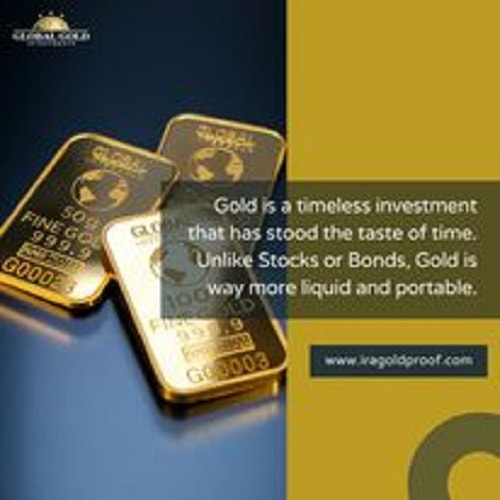
- Physical Gold: Investors can purchase physical gold in the form of coins, bars, or jewelry. While this provides tangible ownership, it also involves storage and insurance costs.
- Gold ETFs: Exchange-Traded Funds (ETFs) allow investors to buy shares that represent a specific amount of gold. This method provides liquidity and ease of trading without the need for physical storage.
- Gold Mining Stocks: Investing in companies that mine gold can offer exposure to gold prices while potentially providing dividends. However, these stocks can be more volatile due to operational risks.
- Futures and Options: These financial instruments allow investors to speculate on the future price of gold. They can provide significant returns but also come with high risks and the potential for substantial losses.
The Role of Gold in Economic Stability
Gold has historically served as a hedge against inflation and currency devaluation. During periods of economic instability, investors often turn to gold to preserve their wealth. If you beloved this short article and you would like to get a lot more facts about topgoldirareviews kindly check out our webpage. For example, during the 2008 financial crisis, gold prices surged as investors sought safety amidst plummeting stock markets. This behavior underscores gold’s role as a stabilizing force in turbulent economic times.

Environmental and Ethical Considerations
The gold mining industry faces scrutiny over its environmental and ethical practices. Mining operations can lead to deforestation, water pollution, and habitat destruction. Additionally, issues such as child labor and unsafe working conditions in some mining regions raise ethical concerns. As a response, there is a growing demand for responsibly sourced gold, with initiatives aimed at promoting sustainable practices and transparency within the supply chain.
Future Outlook for the Gold Market
The future of the gold market is shaped by several emerging trends:
- Technological Advancements: Innovations in mining technology and refining processes may improve extraction efficiency and reduce environmental impacts, potentially increasing the supply of gold.
- Digital Gold: The rise of cryptocurrencies and digital assets has introduced a new dimension to the gold market. Some investors view digital currencies as a modern alternative to gold, while others see them as a complementary asset.
- Geopolitical Tensions: Ongoing geopolitical tensions and economic uncertainties are likely to sustain interest in gold as a safe-haven asset, influencing demand and prices in the coming years.
- Sustainability Initiatives: As consumer awareness of ethical sourcing grows, the demand for responsibly mined gold is expected to increase. This could lead to changes in mining practices and greater emphasis on sustainability within the industry.
Conclusion
The Precious Gold Group remains a cornerstone of the global economy, valued for its unique properties and historical significance. Understanding the dynamics of the gold market, from supply and demand to investment strategies, is essential for both individual investors and policymakers. As we look to the future, the interplay between technology, sustainability, and geopolitical factors will shape the evolution of gold, ensuring its relevance in an ever-changing financial landscape. The gold market’s ability to adapt to these challenges will determine its role as a safe haven and a store of value in the years to come.